
In modern manufacturing and engineering, Titanium Rods have emerged as crucial components due to their exceptional strength-to-weight ratio and corrosion resistance. These rods are widely recognized for their applications across various industries, including aerospace, medical, and automotive sectors. With the demand for precise specifications and high-performance materials, understanding the titanium rod diameter becomes vital for engineers and designers. For instance, choosing the right diameter influences structural integrity, weight reduction, and cost-effectiveness. As you navigate through this article, we will address common pain points related to titanium rod selection, laying out practical insights that will help you make an informed decision.
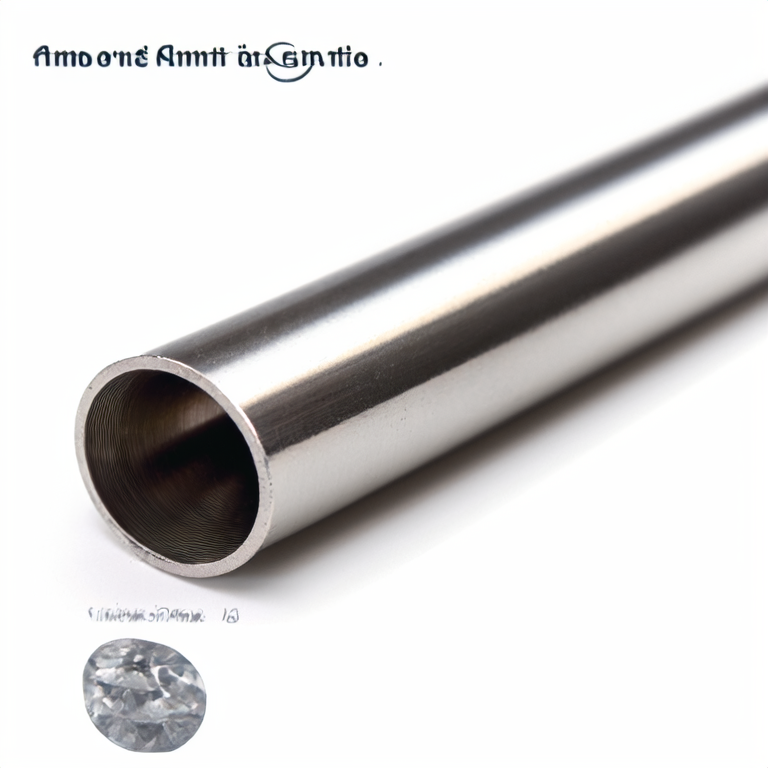
Titanium rods are cylindrical pieces made from titanium, known for their lightweight yet robust nature. Titanium, represented by the chemical symbol Ti, is a transition metal with a melting point of approximately 1,668°C (3,034°F). One notable property is its tensile strength, measured at around 434 megapascals (MPa) in commercially pure titanium. This property ensures that titanium rods can withstand significant mechanical stress while maintaining their form.
Industry terminology often refers to the various grades of titanium, such as Grade 2 or Grade 5, which exhibit different strengths and corrosion resistance. Understanding these specifications helps in selecting the appropriate titanium rod diameter for specific applications.
The applications of titanium rods span several fields, each with unique requirements:
The choice of the titanium rod diameter directly impacts performance in various applications. The advantages of using titanium rods include:
To fully leverage the benefits of titanium rods in your projects, consider consulting the user guide specific to your needs. This can provide further insights into determining the ideal titanium rod diameter based on your application. Additionally, it’s beneficial to explore resources such as RFX, which offers innovative solutions designed to optimize material selection and application success.
1. What should I consider when choosing the diameter of titanium rods? Choosing the diameter involves assessing the load requirements, the type of application, and the surrounding environment, ensuring that the selected rod meets strength and weight specifications.
2. Are there specific grades of titanium for different applications? Yes, titanium grades vary in their properties. For example, Grade 5 titanium is commonly used in aerospace applications due to its enhanced strength and durability.
3. How does the titanium rod diameter affect overall project costs? The diameter influences material costs and machining expenses. Larger diameters generally require more material and machining processes, increasing costs.
For a deeper understanding or trial of titanium rods, consider exploring brand options like RFX, where innovation meets application.

Copyright © Shaanxi Ruifuxiang Industry And Trade Co., Ltd. All Rights Reserved | Sitemap
